Picture this: you pay extra every month to remix songs with AI on Spotify, you open your favourite track, and you can't. Should you have known before paying?
The scene is hypothetical, since the tool hasn't shipped. Spotify has confirmed a paid add-on for Premium, limited to remixes and covers of existing songs, with artists taking part voluntarily. It hasn't announced a price. The Financial Times, as cited by iPhone in Canada, reports it is weighing $4 to $5 a month and a launch in the first quarter of 2027.
We find that scene more interesting than any demo. Generating the remix is the visible part, but selling it means solving licensing, consent, royalties, distribution, and what the user sees when any of those says no. The same awaits any AI feature built on someone else's content.
Spotify says rights were the bottleneck
In February 2026, co-CEO Gustav Söderström told investors that the technology was ready and that a rights framework was missing. That doesn't mean the technical side is solved: in August he said there was more work to do before launch and that a preview would help improve the model. He was clearer on something else: "we don't expect to have all artists". The product will launch with holes.
Follow one remix
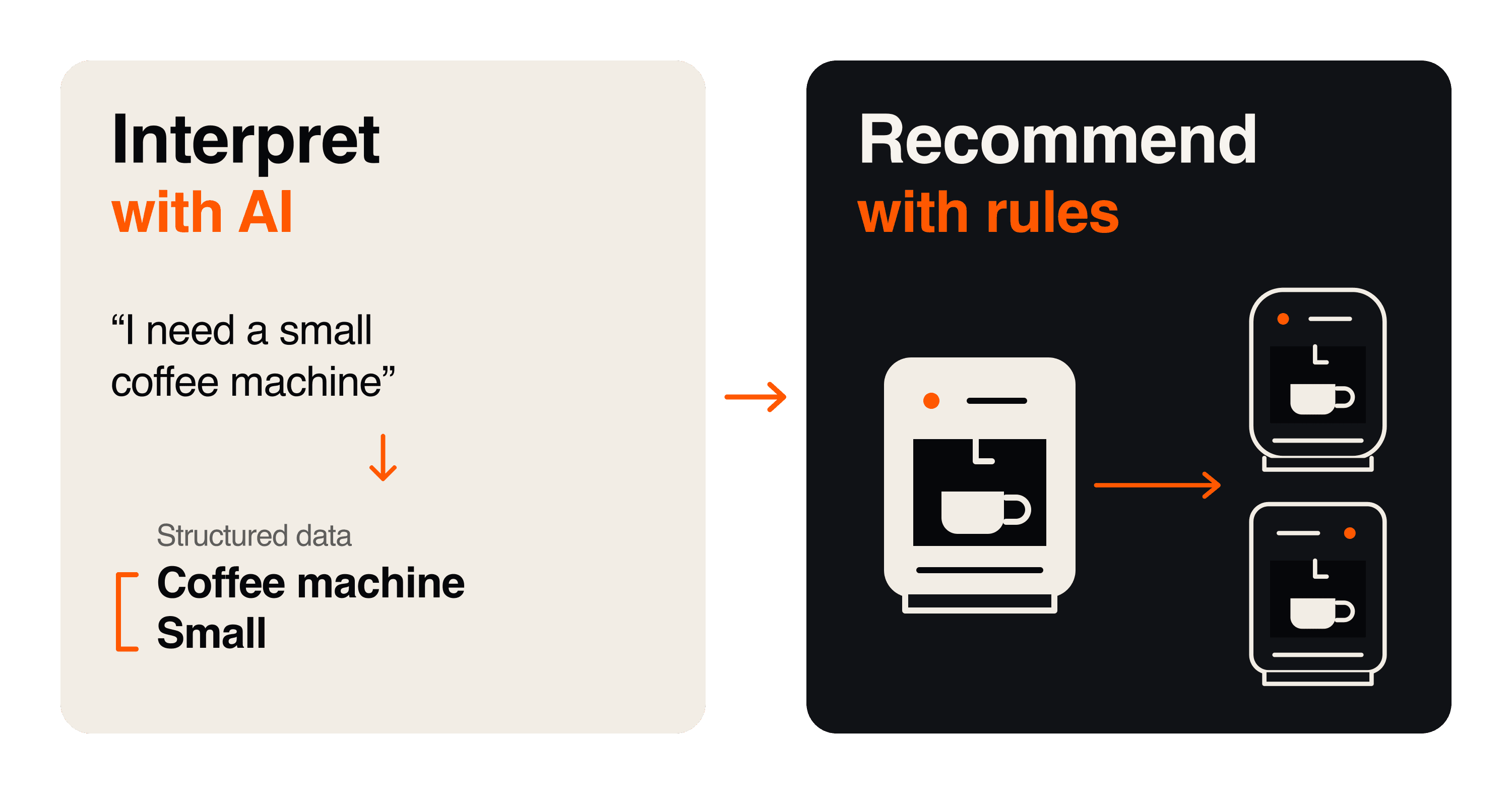
Before generating anything, the system has to know whether that song can be used, and a song doesn't have a single switch. The Universal deal covers recorded music and publishing (the rights in the composition). Broadly, a cover uses the composition while a remix also uses the recording, so a song could allow one and not the other. With four writers, one holdout might be enough to block it. Spotify hasn't explained how it will handle these cases.
After that, the remix has to stay tied to its source. Spotify promises that every remix links back to the original and that its streams pay royalties to participants. Both promises rest on one record: which song each version came from and who holds rights in it. Our read is that this record is as much a part of the product as the audio, which is why it matters that remixes live inside "Spotify's controlled platform": there, every play can be counted and paid. A file passed around elsewhere loses that connection.
That record also solves an older problem. With music others upload, Spotify admits that "the absence of a credit doesn't mean AI wasn't used". With a remix made in its own tool, it would know how the track was made. Telling listeners stops being a detection problem and becomes a design decision, one it hasn't yet explained.
Why charge separately, and where it can fail
Spotify hasn't given a reason: it presents the tool as additional income for artists and songwriters, and a spokesperson said it is not an increase to existing subscription prices. Our hypothesis is that an add-on does two jobs: it leaves out people who don't want it, without touching a plan that already rose to $12.99 in the US this year, and it creates a visible revenue source to share with licensors, easier to explain than a slice of the general subscription.
The risks are size and repeat use. Audiobooks+, an add-on Spotify already sells, had 1.5 million subscribers against 300 million on Premium in the second quarter of 2026. That is about 0.5% by our arithmetic, a reference point, not a forecast, since not everyone is eligible. The FT figure works out to $48 to $60 a year. You finish an audiobook and start another; with a remix, it isn't obvious what brings you back next month. We'd watch how many people are still paying in month three. If the tool runs on one night's curiosity, a monthly subscription is the wrong format.
What do you show someone who wants something you don't have?
Söderström defends the holes with a precedent: Spotify itself started without significant parts of the catalogue. For listening, that holds, because if one band is missing you play another. For remixing we think it holds less well. Someone who wants to rework a song wants that song.
Take the remix button on a blocked song. Hiding it is cleanest, but someone looking for it assumes the app is broken. Disabling it with a reason is more honest, except "the artist hasn't authorised this" may be false if the block comes from a label without a deal or a co-writer, and it turns a contractual decision into a sign inviting pressure on someone. Suggesting other songs helps if they're by the same artist. Another artist rarely replaces the one you came for.
We would show availability before charging, start from what's there, and use a neutral message where it isn't. The preview seems to point that way: Söderström says fans of a certain artist will be able to remix that artist's songs.
The second case matters most to us. You made a remix and put it in a playlist, and later the artist leaves the programme or changes label. The announcements don't say whether leaving is possible or what happens to work already created. Depending on contracts we haven't seen, the remix could vanish for everyone, stay in your account only, or keep playing without generating payments. Each option defines what you bought: a version of your own, or a permission that can end. It can change the engineering too: if the licence allows withdrawal, a check at creation isn't enough, and the system must be able to act on what exists.
That is the question we'd take to any AI product built on someone else's content, whether songs, client documents or licensed images: what happens to the output if permission over the original goes away. Spotify's preview will start to show how it answered.
Sources
- Universal agreements, Spotify, 21 May 2026.
- Believe agreement, Spotify, 20 October 2026.
- AI protections, Spotify, 25 September 2025.
- Technology and licensing, Music Business Worldwide, 10 February 2026.
- Catalogue and research preview, Music Business Worldwide, 4 August 2026.
- FT report and Spotify response, iPhone in Canada, 30 October 2026, updated 3 November.
- US price increase, MacRumors, 15 January 2026.
- Premium and Audiobooks+, Subscription Insider, 4 August 2026.